What if the person who could teach us how to recover is the person we were before we learned to be afraid?
In the short film The Last Pancake, written and directed by Ruby Phelan and produced by Ethan McDowell for AnyOther Productions, the protagonist Amanda (Margherita Barbieri) sits across a diner table from her nine year old self. It is an uncanny image: the adult Amanda trapped in her rituals and restrictions, while little Amanda (Luana Souza Rodrigues) is still untouched by the fears that will eventually make eating feel like something to measure and control. I found something almost haunting about this image. The adult Amanda has become a stranger to her own hunger, while the little girl across from her seems to remember what she has forgotten, that food can be pleasurable and appetite can be trusted. Through magical realism and a diner that feels suspended somewhere between memory and dream, the film gives physical form to the invisible experience of recovery. A waitress becomes something like a fairy-tale guide, and across the table, Little Amanda becomes a reminder that recovery means rediscovering the parts of yourself that illness taught you to abandon. Perhaps more importantly, she reminds Amanda that she does not have to recover entirely alone. Eating disorders can make food feel intensely shameful and isolating, turning something as ordinary as eating into an internal battle that can be very difficult for anyone else to see. The Last Pancake imagines what it might look like to have someone sitting across the table who understands that battle. In doing so, the film transforms recovery from a solitary struggle into a conversation with the self we thought we had lost.
What makes Little Amanda so powerful is the freedom with which she approaches food. For her, there are no rules or fears surrounding pancakes, no calculation of whether she is allowed to want it. Phelan describes Little Amanda’s world as one in which “choice feels very present in her life.” That sense of choice becomes something that Amanda has to relearn through watching her younger self eat and make pleasure look possible. This dynamic came directly from Phelan’s own experience. She describes challenging fear foods as “a really lonely venture”, recalling a moment when she took the first bite of pancakes in a European hotel and felt that she had found a “portal” to her nine-year-old self. “She told me it was ok to enjoy them,” Phelan recalls. “She helped me to finish the final pancake.” It is this experience that became the emotional foundation of the film, a thank you to the younger self who could accompany her through something that otherwise felt deeply solitary. There is something particularly moving about Phelan’s own relationship to this idea. When I asked her what she would say to her younger self, she doesn’t imagine offering her advice, “I think I’d ask her lots of questions actually,” she tells me. “I feel like she’d know the answers.” The film turns this longing into something tangible. Instead of depicting Amanda consumed by her eating disorder, it asks what might happen if she listened to the part of herself that still remembers how to fight.
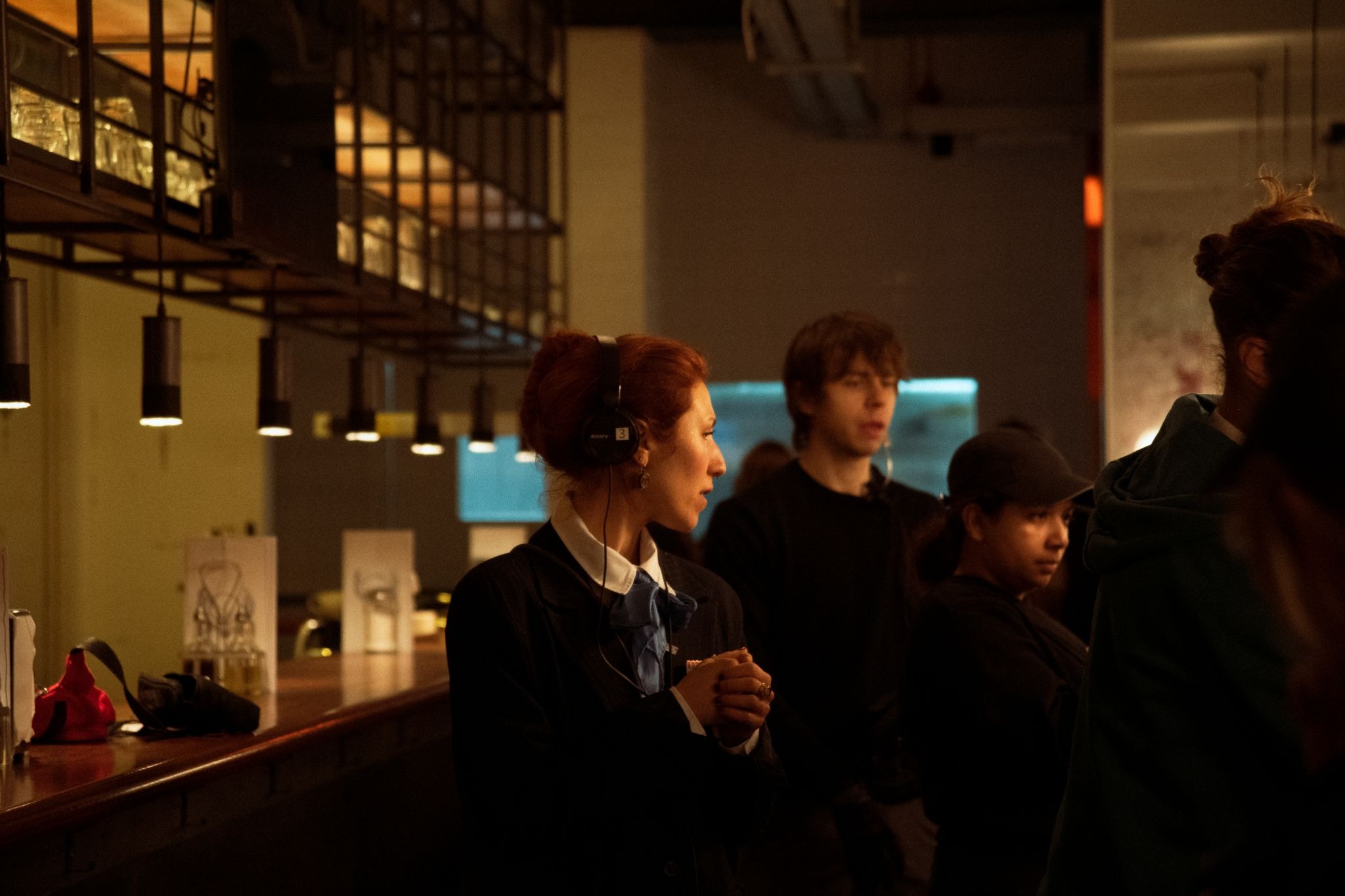
In The Last Pancake, eating is presented as an act of rebellion against everything that has taught Amanda to distrust her own hunger. Little Amanda begins the rhyme, “We little ladies will be full to the brim, we’ll tear these pancakes limb from limb,” the language is deliberately strange, sounding almost like a nursery rhyme. I was very interested in the almost violent sounding tearing of limbs; it transforms the pancakes into something to be conquered. I thought there was something wonderfully excessive about it, almost gluttonous in a way. As Phelan puts it, reconnecting with appetite can feel like “going to war with yourself,” it can feel like having to unlearn all the things your mind has been telling you for years. Eating may seem ordinary for most people, but eating when your mind has taught you to fear food can be nothing short of extraordinary. Phelan also uses a language of excess and power rather than restraint. Its rallying cry “Women have the hearts and stomachs of kings,” draws on Elizabeth I’s speech at Tilbury, transforming appetite into something powerful and almost regal. The line comments on a history of women being taught to make themselves smaller, to discipline not only their hunger, but their desire for pleasure, sexuality, ambition, anger, space and attention. Amanda’s recovery, then, becomes about more than food, it’s about rediscovering the right to want something without immediately turning that desire into a source of guilt. To be “full to the brim” is, finally, to refuse to apologise for taking up space.
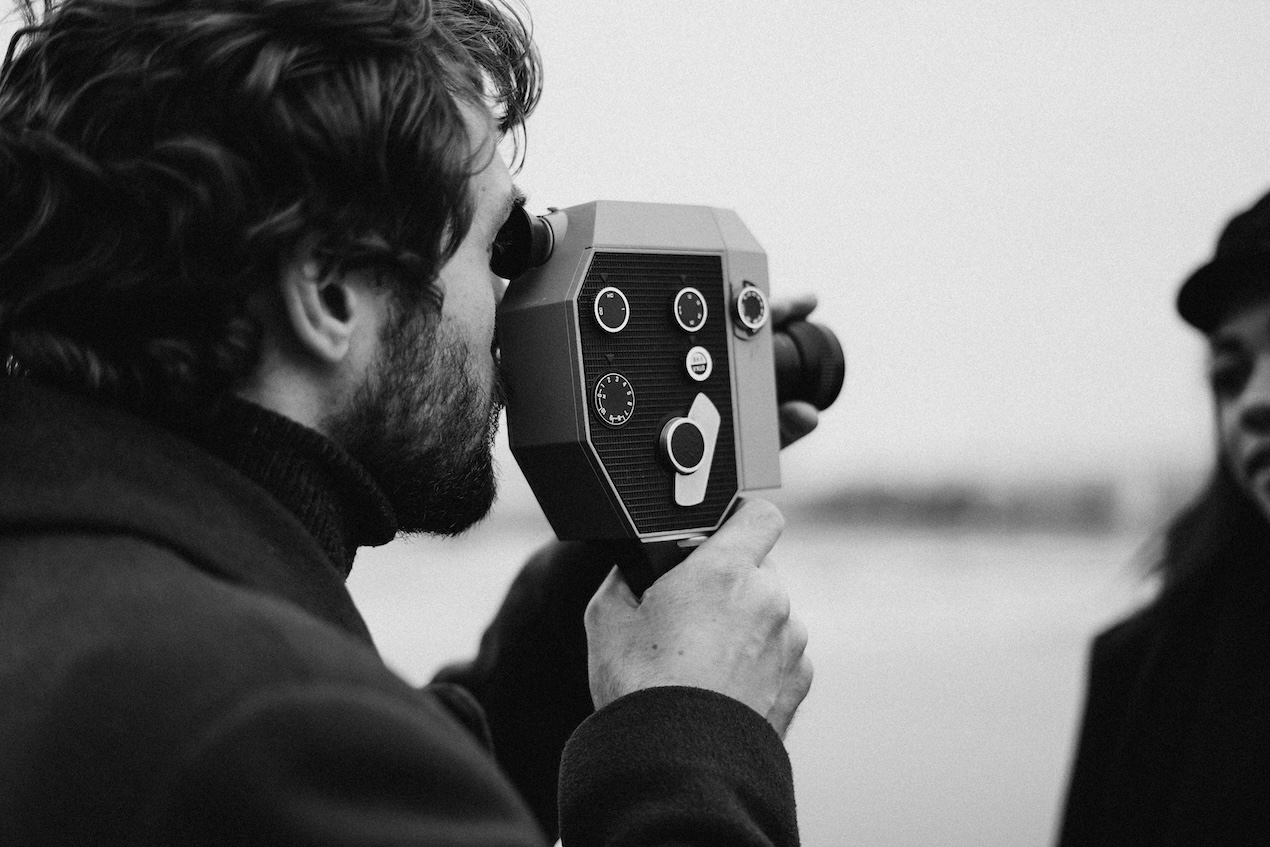
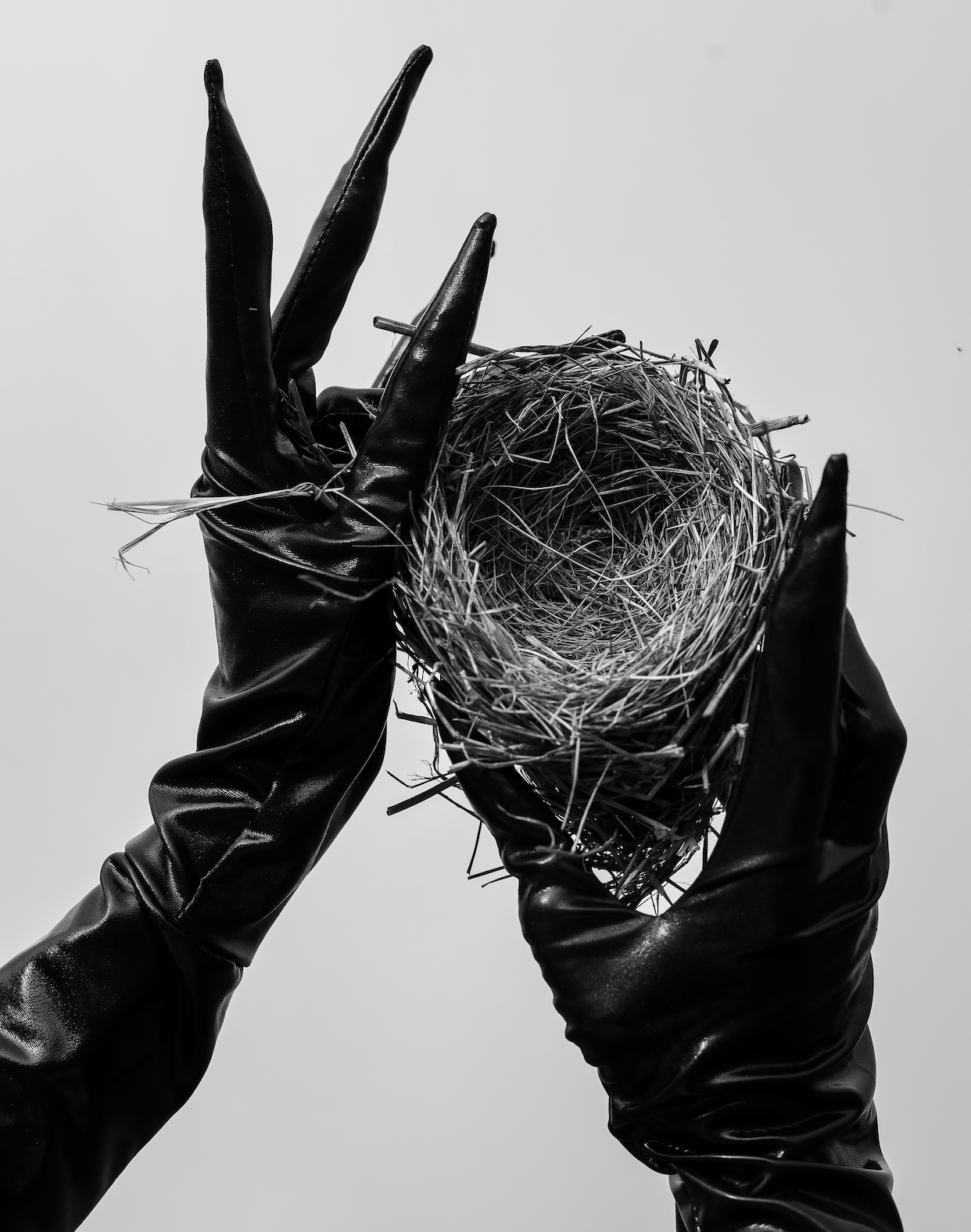
Before Amanda can recover her appetite, she has to recover something more fundamental, her relationship with her own body. The film makes this separation visible from the very beginning, opening the film inside Amanda’s stomach in what Phelan calls the “stomach overture.” It is strange and a little uncomfortable, but it is also beautiful and magical at the same time; the body becomes almost alien. We usually look at the body from the outside, here, Phelan takes us inside. It is biological. It is survival. As Phelan puts it, “coming back to the carnal body reminds us that we are all skin, organs and bones. We need to eat and nourish our bodies.” The film’s visuals make this return to the body feel almost physical, shifting between extreme wide shots and intimate close-ups. Phelan and director of photography Nathalie Pitters wanted to “follow the fluctuating rhythm of feeling both connected and disconnected, big and small, in touch and disassociated.” She writes, “We tried to follow Amanda’s heartbeat.” Even the music feels as though it is coming from inside her, only spilling into the world when Amanda begins to listen to her body. Composer Andrea Boccadoro and sound designer Patrick Fripp carry this idea into the score and sound design, creating what feels like “a reunion with the body.” At the beginning, Amanda is severed from her stomach. By the end, she learns to listen to its cues. The stomach becomes almost another character in the film, it cries, waits, becomes visible, makes demands. It is not simply a biological organ, it represents the bodily knowledge Amanda has stopped trusting.
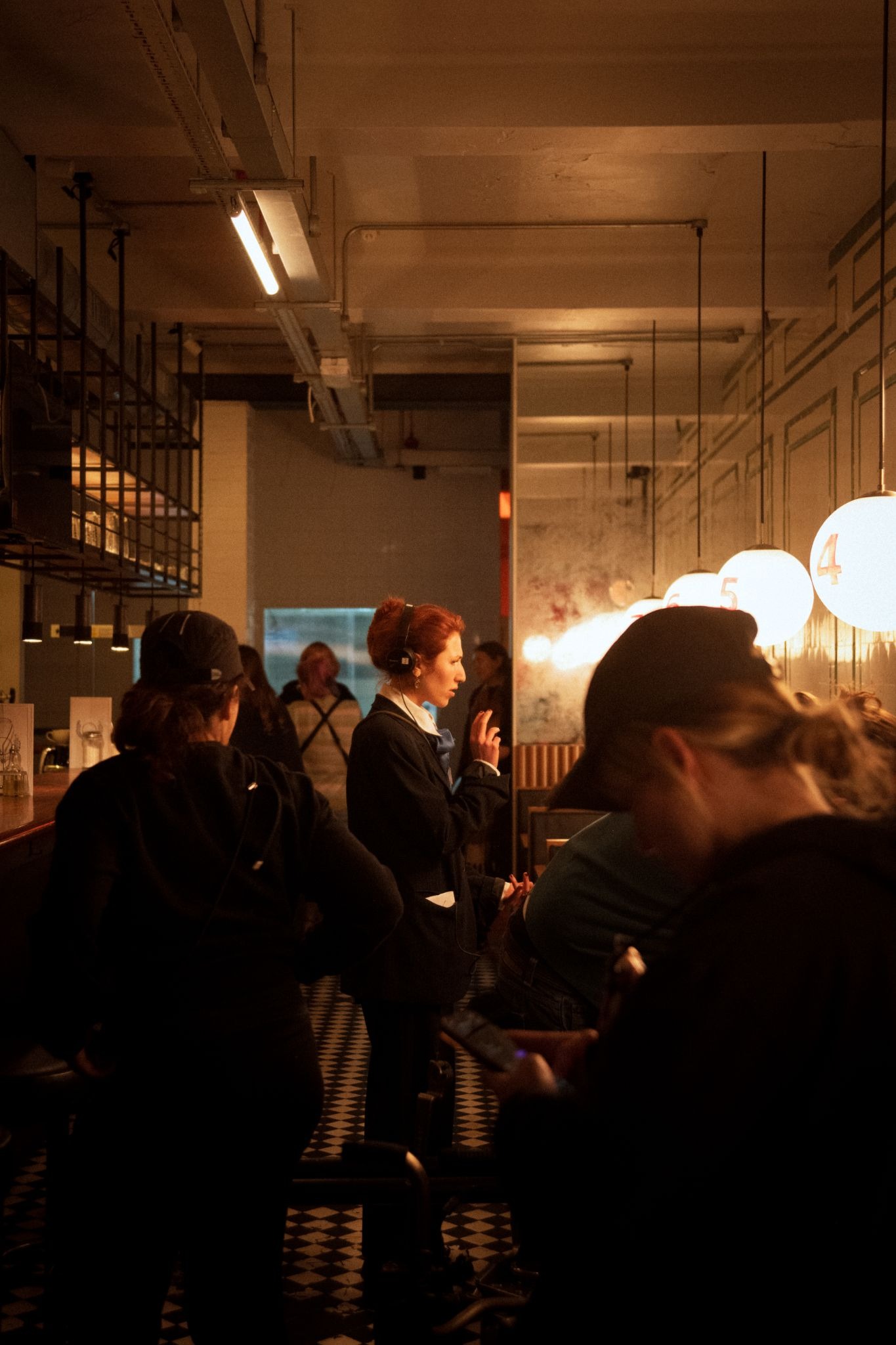
Eating disorders are largely an invisible battle, The Last Pancake responds by making the invisible visible. Phelan describes the film as a “beautiful twisted fairytale” drawing on stories that “bring magic to the mundane.” The diner itself becomes part of this magic, where every little detail is designed to mean something. Even the waitress, played by Lia Williams, feels like a kind of fairy godmother, guiding Amanda through this strange little world of recovery. The waitress can bring the pancakes. Little Amanda can hold her hand. But Amanda still has to take the bite. That is what makes the film’s magic so moving, it isn’t an escape from the reality of recovery, but a way of giving shape to something that is otherwise almost impossible to see.
For me, what makes The Last Pancake so special is that it is not really interested in the spectacle of illness. It is interested in what comes after, the invisible battle of learning how to be yourself again. Phelan wanted to move away from the familiar images of eating disorders that the media tends to portray, and instead capture the texture of living inside one; the anticipation, the loneliness, the nervous hands, the rituals, and eventually, the recovery. Learning to experience enjoyment in food again can be one of the hardest things to overcome, shame and guilt can become so deeply woven into eating that even pleasure starts to feel like something to be earned or apologised for. At the beginning of the film, Amanda’s stomach is crying out, it is something she has learned to ignore. By the end, she is sitting at a table with her younger self, tearing pancakes apart and finally listening to the body that has been calling for her all along. For Phelan, this is ultimately why the story needed to exist. “Seeing somebody else going through the fear gave me confidence to face my own demons,” she says. She hopes the film might offer that same feeling of recognition to someone else. “If I can even help one person decide they want to recover,” she tells me, “then that is utterly incredible.”
The Last Pancake:
Writer & Director - Ruby Phelan
Cast - Margherita Barbieri, Lia Williams & Luana Souza Rodrigues
Producer - Ethan McDowell
Production Company - AnyOther. Productions
Director of Photography - Nathalie Pitters
Composer - Andrea Boccadoro
Sound Designer - Patrick Fripp
Photography - Josh Showell
BTS Photographer - Maya Yoncali
Lough-Phare, Eilean, and Ruby Phelan. Phaidos x The Last Pancake Interview. Interview. 16 September 2026.